Subtotal ₹0.00





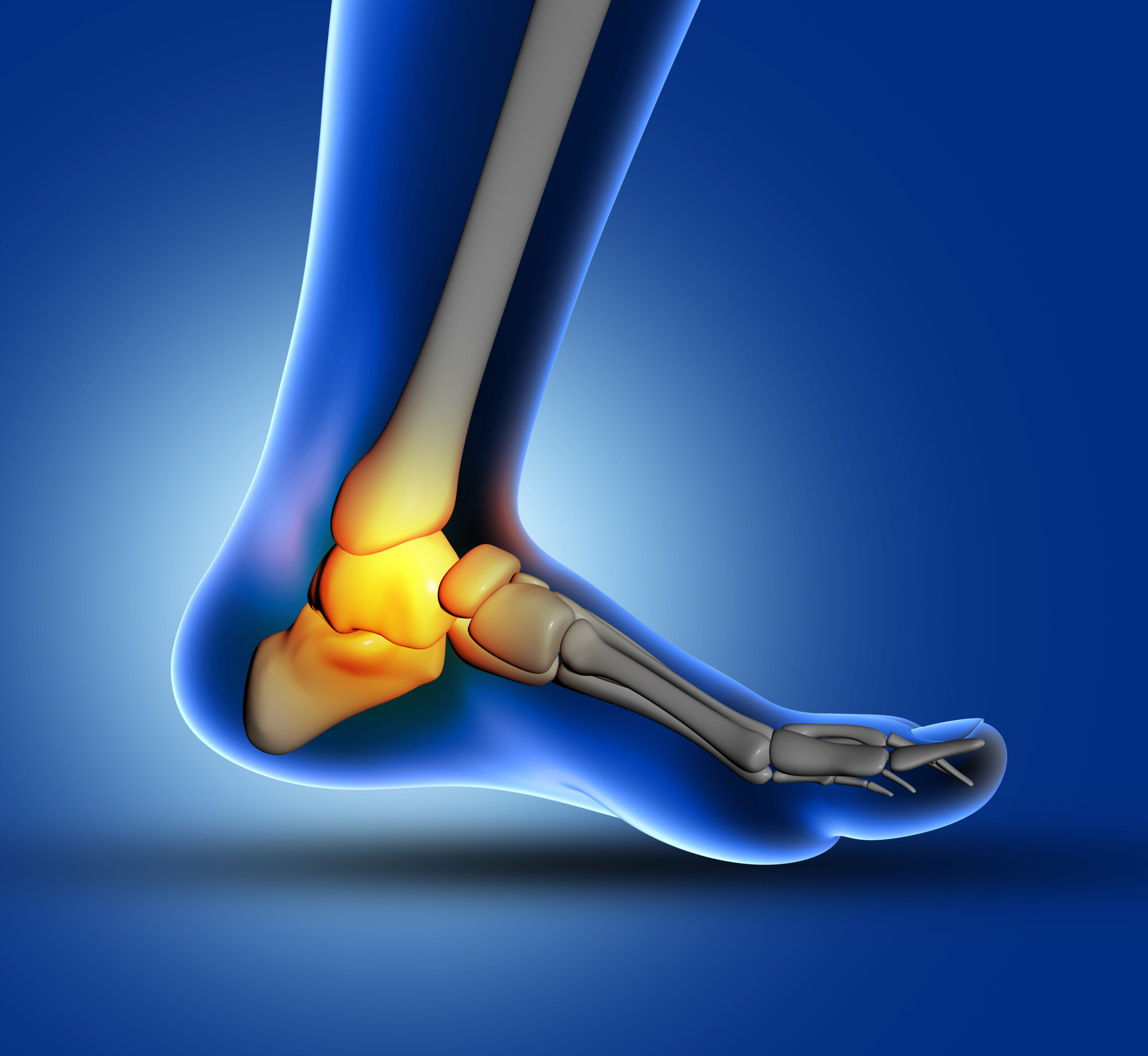
Reconstructive surgery focuses on restoring form, function, and appearance after injury, disease, or congenital conditions. Using advanced surgical techniques, it helps patients regain mobility, confidence, and quality of life while ensuring natural, long-lasting results.


A complete clinical evaluation ensures each patient is fully prepared for safe and effective treatment.

Comprehensive diagnostic tests ensure precise planning and improved reconstructive outcomes.

Tailored treatment plans are created using diagnostics and risk assessment to provide individualized footwear, wound care, pressure relief, and surgical solutions.

Patients are guided on foot hygiene, warning signs, ulcer stages, pressure points, and lifestyle practices to prevent complications.

Over 40 years of experience in restoring limb function and preventing avoidable amputations.

State-of-the-art nerve studies, Doppler tests, and pressure mapping ensure accurate treatment plans.



 24 Hour Emergency Aid